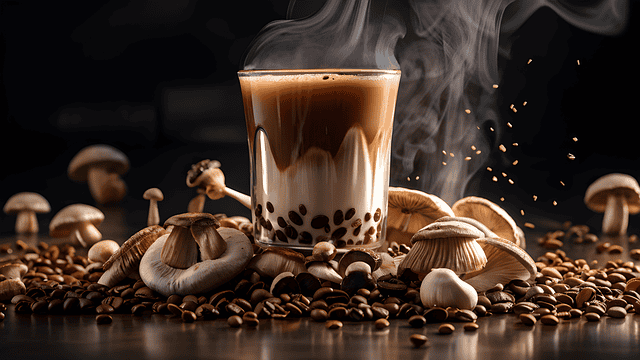
In a world where consumers are more health-conscious than ever, functional beverages have surged into the spotlight, promising more than just hydration. From energy and focus to stress relief and gut health, these drinks are loaded with trendy ingredients like adaptogens, nootropics, and CBD—each claiming a unique benefit. But are these wellness drinks truly effective, or are they just cleverly marketed placebos?
Let’s unpack the science, the trends, and the truth behind the rapidly growing functional beverage market.

What Are Functional Beverages?
Functional beverages are drinks formulated with specific ingredients to provide health benefits beyond basic nutrition. Unlike traditional soft drinks or juices, these beverages often contain bioactive compounds aimed at improving physical or mental performance, enhancing mood, or supporting long-term health.
Some common categories include:
- Energy drinks with added caffeine or B-vitamins
- Gut health beverages like kombucha and kefir
- Relaxation drinks with ingredients like L-theanine or magnesium
- Cognitive enhancers and mood boosters with nootropics or adaptogens
1. Adaptogens: Stress-Busting Botanicals
Adaptogens are plant-based compounds believed to help the body adapt to stress, both physical and emotional. Common adaptogens include:
- Ashwagandha: Thought to reduce cortisol levels and support mood
- Rhodiola Rosea: Used to improve energy and reduce fatigue
- Holy Basil (Tulsi): Traditionally used for mental clarity and immune support
- Ginseng: Popular in traditional medicine for stamina and cognitive function
🌿 What the science says:
Research on adaptogens is growing but still limited and often preliminary. Some small studies suggest potential benefits for stress reduction, but many claims lack large-scale, long-term clinical trials. Effects can vary widely by dose, source, and individual biology.
🧪 Verdict: Promising, but not a magic bullet
Adaptogens may offer mild support for stress or energy, but their impact is often subtle and accumulative, not immediate.
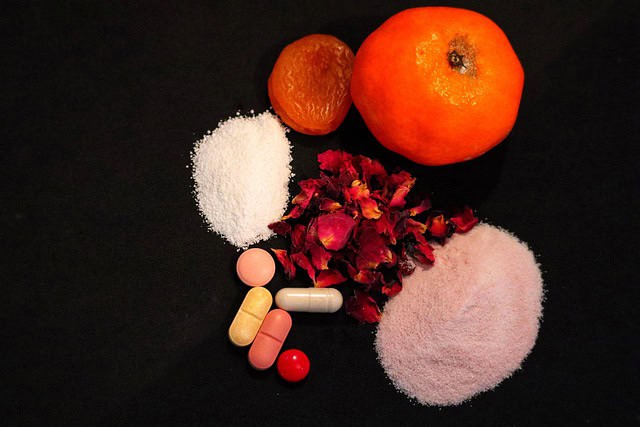
2. Nootropics: Boosting Brainpower?
Nootropics—often called “smart drugs” or “cognitive enhancers”—are compounds that aim to improve mental functions like focus, memory, and clarity. In functional beverages, common nootropics include:
- L-theanine: Found in green tea, often paired with caffeine for calm focus
- Alpha-GPC or Citicoline: Supports memory and learning
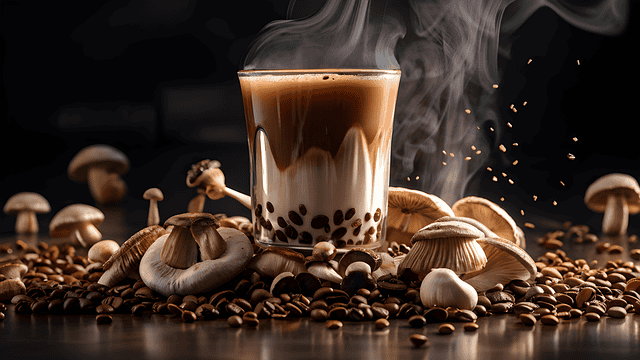
- Lion’s Mane Mushroom: Believed to promote nerve growth and cognitive longevity
- Caffeine: Still the most studied and effective nootropic for alertness
🧠 What the science says:
Some nootropics, like caffeine + L-theanine, have solid scientific backing. Others, like Lion’s Mane, show potential in animal or small human studies but lack robust, consistent evidence in larger populations.
🧪 Verdict: Effective—depending on the ingredient
Some nootropics work well for short-term mental performance, but results are highly individual, and effects may diminish with regular use.
3. CBD: Chill in a Can?
CBD (Cannabidiol), a non-psychoactive compound from the cannabis plant, is touted as a natural way to reduce anxiety, inflammation, and promote relaxation. It’s become a staple in calming or sleep-promoting functional drinks.
You’ll find CBD-infused waters, sparkling teas, and even CBD sports recovery beverages on the market.
🧘 What the science says:
CBD has shown some promise in reducing anxiety and promoting sleep, especially in people with certain conditions. However, dosing matters—and many beverages contain very small amounts (5–25 mg), which may not be enough to have a noticeable effect.
⚠️ Caveats:
- Legality and regulation vary by region
- Quality and potency of CBD products are not always consistent
- Long-term safety and interactions with other supplements or medications are still being studied
🧪 Verdict: Mildly helpful, but quality varies
CBD can be calming for some, but many beverages contain too little to make a big impact.
Why the Hype?
The surge in popularity of functional beverages is being fueled by several key trends:
- Wellness culture: Consumers increasingly seek natural ways to manage stress, energy, and focus.
- Caffeine fatigue: Many are moving away from over-caffeinated drinks and looking for gentler alternatives.
- Convenience: Functional beverages offer easy, on-the-go health boosts.
- Brand storytelling: Vibrant packaging and influencer marketing amplify perceived benefits.
The Challenges: Not All Drinks Are Created Equal
🧃 1. Lack of Regulation
Functional beverage claims are often not FDA-approved, and many products include a long list of supplements without clear evidence of synergy or safety.
🧃 2. Overpromising, Under-delivering
Terms like “brain-boosting,” “relaxing,” or “immune-enhancing” are appealing—but often vague. The actual effects may be minimal or placebo-driven.
🧃 3. Price Tag
These drinks are typically more expensive than standard beverages, which may not be justified by their effects.
Final Thoughts: Hype or Health Revolution?
Functional beverages are not a scam, but they’re also not miracle cures. They may offer subtle, supportive benefits when used consistently and as part of a healthy lifestyle—but they shouldn’t replace balanced nutrition, sleep, or medical treatment.
If you’re curious, look for brands that:
- Provide transparent ingredient sourcing and dosage
- Back up claims with clinical research
- Avoid unnecessary additives or sugar
Ultimately, whether you’re sipping CBD to unwind, taking nootropics to focus, or trying adaptogens for stress, the most functional part of any beverage might still be… hydration.
Suggested Article Title Variants:
- “Brain in a Bottle? The Truth About Functional Beverages”
- “Sip Smarter: The Real Science Behind Adaptogens, Nootropics, and CBD Drinks”
- “Functional Beverages Are Everywhere — But Do They Work?”